
About
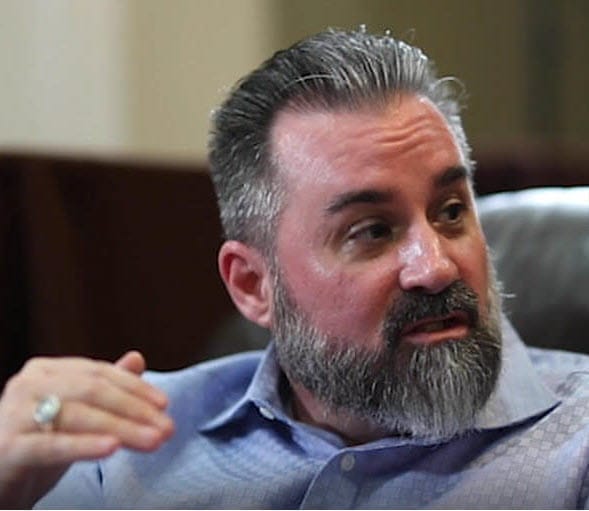
The Story Behind the Systems
This is the part of the site where we hit pause on tactics and get into the background.
I don’t pretend to be the world’s #1 expert in any single niche. I am a professional who has had to become highly competent in several high‑stakes environments: insurance claims, network administration, capital markets, and now, complex civil litigation.
The common thread isn’t a fancy title. It’s a relentless focus on understanding how systems work—what they reward, where they break, and how easily individuals can become just another "file number" if they don't understand the rules of the game.
If you’ve seen my technical analysis of legal files or my trading charts and wondered, “How did this guy end up here?”—this page is the backstory.
The Foundation: Insurance Claims
My professional journey began in insurance claims after serving in the military. I spent three years at The Hartford and later joined Kemper Insurance in 2005.
Over five years, I handled everything from minor liability to complex injury cases. A defining moment came when a colleague’s sudden medical leave left a critical gap in our Total Loss Unit. I stepped into that role with zero onboarding and a massive caseload. I didn’t just survive; I adapted my workflow to match the pace of a 17-year veteran.
The Lesson: When challenges arise, you don’t run from them—you run toward them. Whether investigating a claim or negotiating a settlement, I learned that documented facts are the ultimate leverage.
Here’s a guide I wrote to help you - How to Handle a Total Loss Vehicle.
The Pivot: IT & Network Administration
While I understood insurance, I wanted to understand the technology that powered it. I went back to college, earned my degree in IT, and worked my way up from a Workstation Engineer for a Microsoft Solution Provider to a Network Administrator for a nationwide bank (CIBC).
Managing complex networks taught me critical troubleshooting skills:
How to isolate variables.
How to read server logs.
How to identify the "root cause" of a system failure.
These skills are fundamental and I take them with me everywhere.
The Synthesis: An Investigative Mindset
Between IT and Claims, I developed a unique combination of skills: Troubleshooting + Investigation.
From IT: I learned to break complex problems into binary components.
From Claims: I learned to ask the right questions and demand evidence.
Today, I apply this hybrid mindset to everything I do. I treat every project—whether it's auditing a legal file for critical discrepancies or analyzing market trends—as an investigation. I look past the surface narrative to find the raw data.
The Laboratory
High-Stakes System Tests Before applying my investigative mindset to the legal system, I spent decades stress-testing my "Audit the Process" philosophy in two of the most volatile environments on earth: the capital markets and digital social algorithms.
The 2% Strategy: I didn't just study market data; I traded it. During the early 2000s, I managed my own capital at my desk during lunch hours, doubling my money annually for four consecutive years. Nothing much, just my tax return each year. But what I learned was huge for me. I even placed in the Top 2% of the CNBC Portfolio Challenge within just ten weeks. I started to think that I should write down this recipe for swing trading so that others don't need to go through all the trial and error that I did, so the thought for WatchingCharts.com was born.
I'll likely need 10-20K to build an APP for WC, so that project is just sitting ATM. But the info and strategies I wrote about are still golden. I even have all the parameters and variables ready for building the APP, but I need to pause that project for now.
Decades later, during the 2020 COVID crash, I applied these same "WatchingCharts" protocols to rescue a family retirement account that had plummeted to $215K, rebuilding it to over $290K (in a year) through disciplined swing trading. I don't listen to market hype; I audit the momentum.
The Results-for-Money Audit: To move out of the "Time-for-Money" economy, I knew I needed to master the mechanics of digital attention. I approached Instagram not as a user, but as a system architect. I hired a mentor, bought the tools, and treated the algorithm like a server log to see if it followed a predictable protocol. I grew a travel brand from 0 to 186,000 followers in 11 months without using spam tactics or borrowed audiences. Once I validated the framework, I walked away. I didn't need the fame; I wanted the Systems Intelligence required to solve high-value problems in the digital space.
Business Philosophy: Lessons from Childers & Golden
I didn't just learn from books; I sought out mentors.
It was John Childers who taught me that there are actually four distinct financial economies, and that most people ignore three of them:
Time‑for‑Money: (Employment – Highest tax, capped hours).
Assets‑for‑Money: (Investments/Real Estate).
Results‑for‑Money: (High-value problem solving/Royalties).
People‑for‑Money: (Building teams and systems).
My goal was to move out of the first economy and into the others.
Later, I had a private dinner with business strategist Myron Golden, who refined my understanding of value. He was, I think, the third millionaire I had met and the second I had dinner with.
He told me: "Your job isn't meant to pay you what you're worth. It's meant to pay what the job is worth. The only person who will pay you what your worth is you."
That conversation shifted my focus. I stopped looking for a "better job" and started building better systems—in trading, in digital media, and in life.

Institutional Architecture & Infrastructure Design
In 2021, I acted as the Managing Director and Principal Analyst for a technical infrastructure project running high-performance ASIC crypto-mining hardware. While I shared executive responsibility with a partner, my focus was strictly on the guts of the operation—designing the physical hardware deployment and mapping the data flows.
I worked with the legal team at KKO Lawyers to translate our operational needs into a bulletproof structural blueprint. We integrated operational LLCs, asset-protection entities, and Revocable Living Trusts to create a secure legal and financial moat.
It was a mathematically brilliant infrastructure play. Until it wasn't.
In 2022, the macro variables shifted overnight. Nobody's algorithm predicted the War in Ukraine, and no one foresaw the sudden, brutal inversion of energy-to-output ratios.
When a market audit revealed that our external variables no longer met our risk thresholds, I had a choice: hold on and pray for a miracle, or read the damn logs and execute a controlled demolition. I put my money where my mouth is and pulled the plug on my own business.
I took a $40,000 cash hit.
Every fake internet guru will sell you a course on how they made millions, while quietly burying the times they got their teeth kicked in. I post my losses right here on the front page.
Turns out, having global energy markets light 40K of your own money on fire is a hell of an education. I am a sharper, more ruthless systems architect today specifically because I had the discipline to read the data and kill my own project before it killed me.

A Few Snapshots of Life


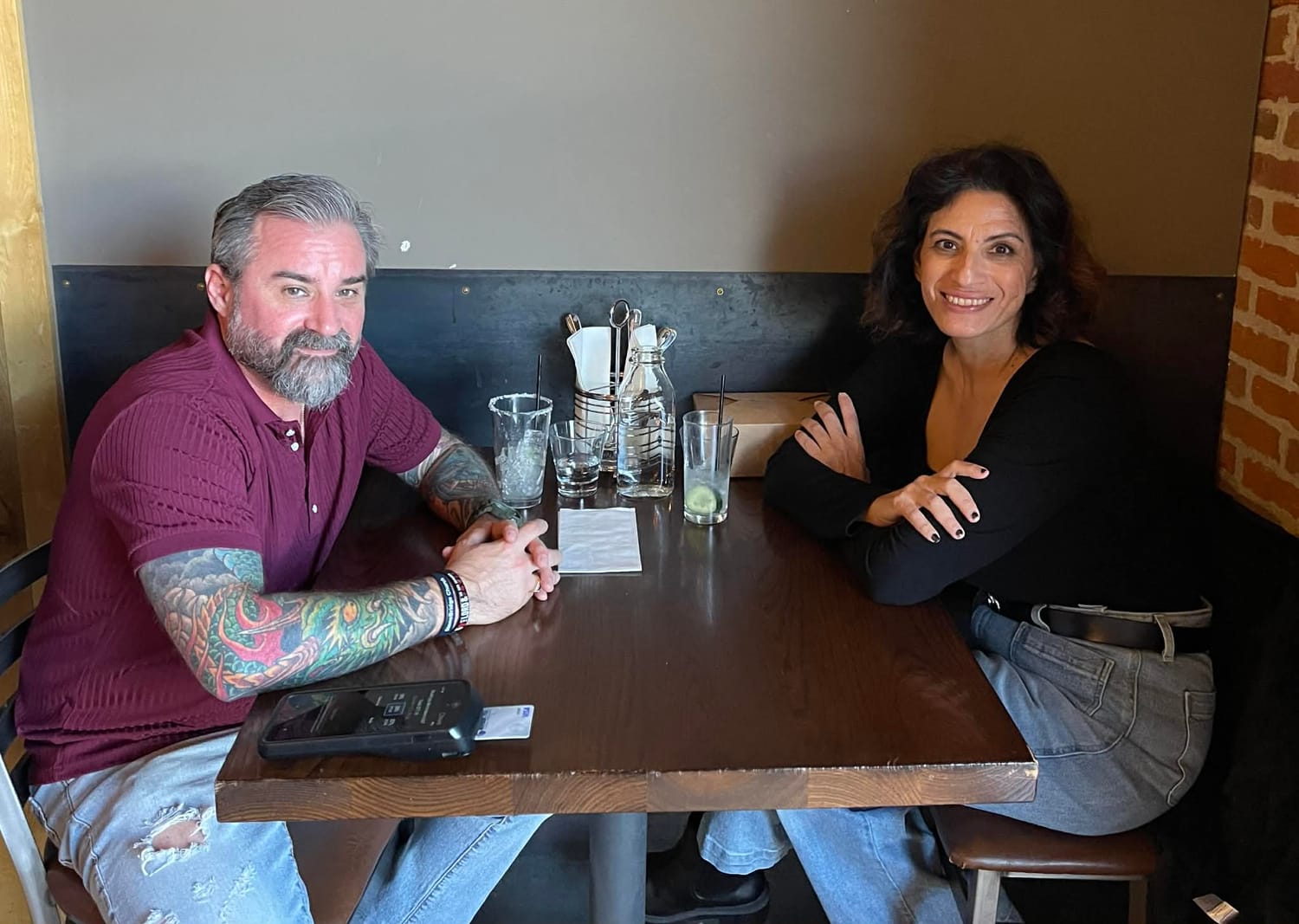

Do you like the "cheesy" 70's stash in the middle? Yeah, like straight out of a corn movie. I'll grow a beard and shave it all yearly just for the sake of change. - See that armbar? Wrong arm and/or I needed to switch sides but didn't. - In order to be an expert, we all have to start as amateurs. That was his black belt test in 2020.
In Sum:
If you want glossy promises, there are plenty of places to find them. I’m building systems that hold up when real life gets loud: Legal strategies that rely on evidence, trading rules that manage risk, and digital frameworks that actually reach people.
I'd rather shoot for the stars and perhaps get to the moon than to aim for the moon and struggle to get out of orbit. How about you?
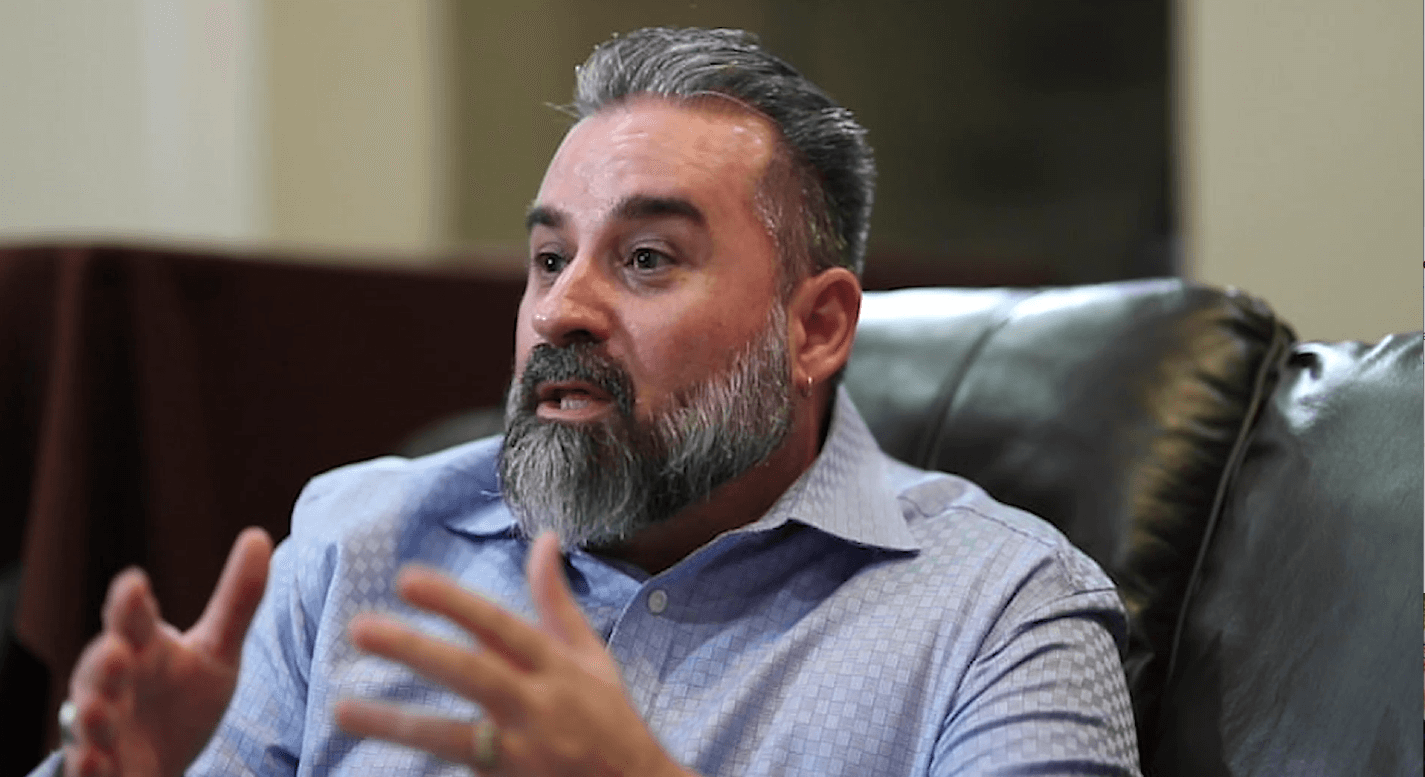
Chris Daniel
With a Network Administration background, this former Insurance Claims Adjuster has a knack for investigations mixed with a touch of dark and self deprecating humor. Today, as a Digital Asset Architect & Systems Investigator, Chris shares insights on social media strategies, algorithmic auditing, and insurance claims, blending technical know-how with real-world experience. Learn more about Chris and his projects on the About page.
Food For Thought
"Life will give you what you'll fight for, or what you're willing to accept."
- Myron Golden
- This one punched me in the throat! But in a good way. If you don't set the bar high, life will set it for you.
All Rights Reserved.