Chris Daniel: Digital Asset Architect & Systems Investigator
Using Data to Level the Playing Field in Business and Life.
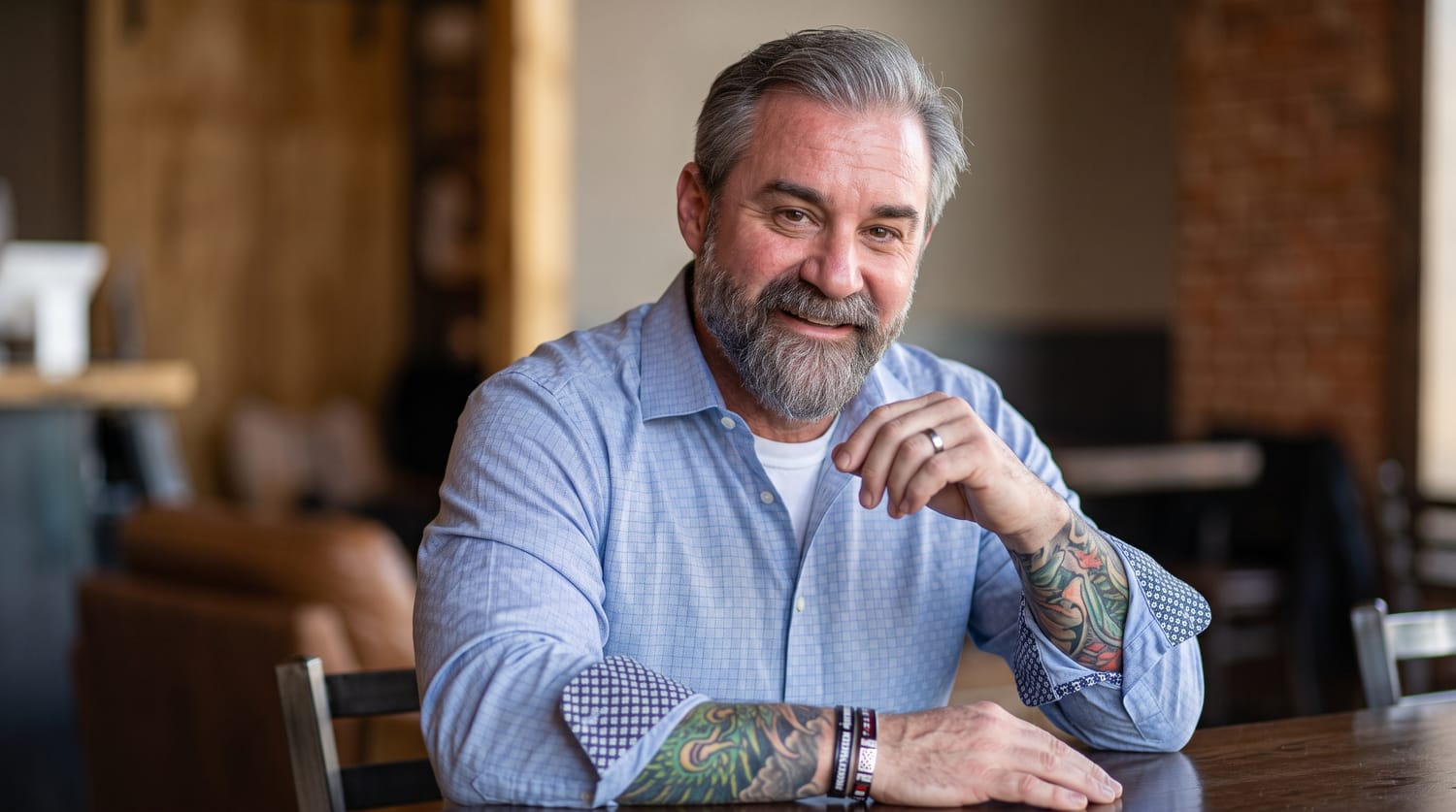
My name is Chris Daniel. I spent 15 years in IT and Insurance Claims. I’m always troubleshooting or investigating. I can’t turn my mind off; it’s just how I’m wired. Whether it’s a broken server or a confusing insurance policy, my brain immediately looks for the "why" behind the "what."
I have integrity. I try to apply morals and ethics to everything I do because, at the end of the day, your word is all you really own. I’m far from perfect, but I will always try.
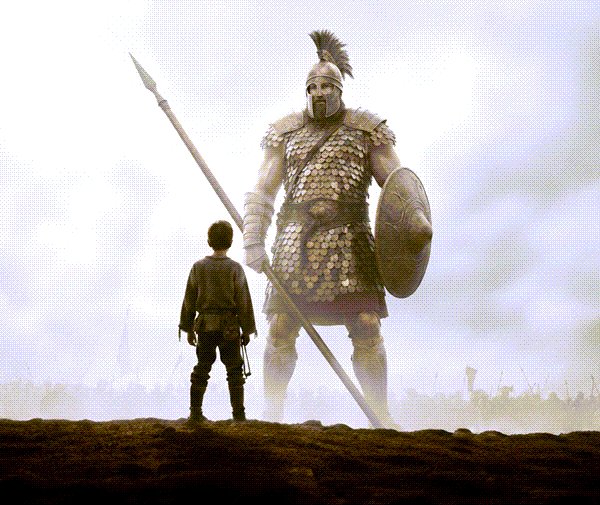
What I often find though, especially in large organizations is a total lack of effort. They are simply "too big to care" about the people.
But here is the secret: The data doesn't care either. The data has no ego. My job is to teach you how to read that data. When you understand the Physical Facts, you stop being a victim of someone else’s version of the truth. You start building a life you actually control because you are finally standing on solid ground.
The Mission I use my tech skills here to show you how to beat corporate bullies, make your own money, and become the leader your family, community and church deserve.
The Justice System Doesn't Care About Truth
I used to think that our Justice System cared about truth. It does not. It only cares about the process and efficiency. But then, I also used to think that even if one person, like a manager who was unethical, would be held in check by HR or his other peer management team. None of that is true. Expecting some bad actors, an unethical company or the defense attorneys who defend them to have morals or ethics is like pleading with a shark to go vegan because it's healthier.
Some folks only respect power and think they are sly if they get away with their bad behavior. You must decide if you're going to tag them in the eye or walk away knowing you have morals and ethics they don't.
There is only Absolute Truth, and the server logs prove it every time. To take your power back, you have to stop arguing and start auditing. For those who need to learn more about the truth, read Relativism by Gregg Koukl.
The Doctrine of Clean Hands: Why Transparency Matters - In the American legal system, a party seeking justice must come to the court with 'Clean Hands.' This means acting with integrity, honesty, and transparency.
Phase 1: Systems Accountability (The Audit)
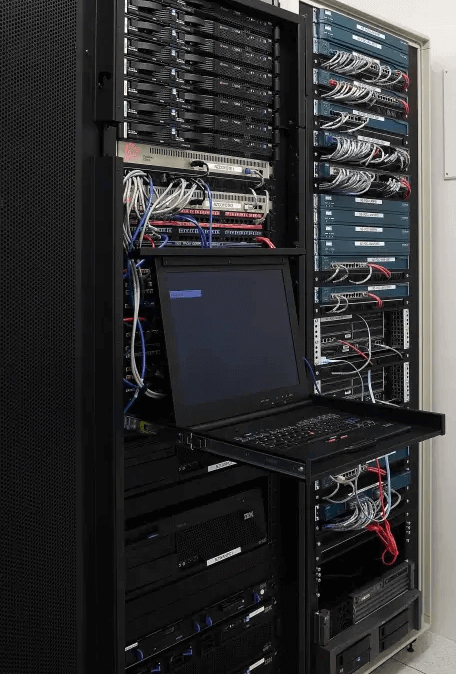
I learned the power of a log file early in my career as a Workstation Engineer for an MSP (Microsoft Solution Provider) who serviced government offices. We spent weeks getting a system perfect, locked the server down, and told the staff: "Don’t touch the settings."
A month later, the system crashed. The client was panicking, convinced our software had failed. I didn't get defensive; I went straight to the server room. I opened the logs and found the exact login name and timestamp of the employee who had changed the settings. I had the Physical Fact in black and white. I showed the client who did it, fixed the server in minutes, and walked out with a new contract.
Phase 2: Wealth Creation (The Engine)
I’ve learned that even when you do everything right, people in power will try to set you up to fail. When I was a Systems Admin at a bank, a Director with a grudge sent me a cheap, low-end switch to run a high-end VoIP phone system. It was a setup. The gear couldn’t handle the data, and the system kept crashing right in front of the bank president.
I didn't let him win. Instead of blaming the gear, I found a technical workaround. I ran twice as much cable to every workstation to bypass the bad equipment. It was a massive amount of extra work, but it worked. I learned that when the system is rigged against you, you don’t complain—you build a better connection. The Cisco Catalyst 5006 we needed to run Call Manager 3 wasn't cheap. But the equipment they first sent me was.
I apply that same "workaround" energy to the stock market. I don't listen to the noise. I use the WatchingCharts (WC) System to audit the market. I look for the same data footprints and pings I looked for in that bank server room. But instead of troubleshooting connectivity, I am hunting for stocks that have momentum that we could ride for a little while.
When IT became too volatile due to outsourcing, I went back to handling insurance claims, but I started trading stocks at my desk over my lunch hour. I went on to double my money every year for 4+ years in a row, like clockwork. I show others how to do that here too. Right now, only the ebook is available. Hopefully the APP will be available by Q1 of 2027 and the ebook that I have used for gathering feedback will become the OTO1. Explore the WatchingCharts System →
Phase 3: Purposeful Stewardship (The Heart)
Integrity is doing the right thing, even when no one else is looking. I remember a time when I was handling insurance claims for an office of about 200 people. Our top Total Loss Adjuster—a specialist with 17 years of experience—suddenly had a heart attack and had to take an immediate leave of absence. The entire office relied on her expertise, and her absence left a massive, high-pressure hole in our operations. No one knew if she would ever come back.
Without training or on-boarding, I stepped into that role. It was a brutal, fast-paced desk that most people would struggle to handle even with years of experience. I did that job for four months until she was healthy enough to return. I did it because it was the right thing to do, and I wasn’t afraid of the volume. When she walked back into the office, her desk wasn't in chaos and the workflow hadn't crawled to a stop. Everything was running smoothly because I chose to stand in the gap.
That is what Stewardship is actually about. It’s about using your skills, your energy, and most importantly, your Time to protect others and keep the mission moving forward. When you use the Playbook to reclaim your life, you don't just sit on the sidelines.
Now that I've become good at Swing Trading, folks will sometimes ask "What stocks should I buy". However, aswering that is a trap, and they don't even realize it.
See, most folks don't move in and out of position like I might. That is not to say I advocate for day trading. Though I have done that too and have made over 38K in a day doing it. But no, most folks want a set it and forget it stock purchase. They don't want to learn the skill, respect the timing that I might need to apply to a trade.
Yeah, see all of this and more on my Trading Page.
STEWARDSHIP PART 2 (ACTION) - HELPING OTHERS
By now, you know or should know that telling others what trades and position you buy is a complete trap because they have no experience or knowledge of doing what you're doing. So they will just buy and hold like a set it and forget it portfolio because they remember their college professor telling them that it's impossible to "time" the market. LOL. Yeah, I like taking shots at college professors almost as much as taking shots at unethical attorneys.
So to help others I recommend protecting your family’s wealth using tools like a Charitable Remainder Unitrusts (CRUTs) and Donor-Advised Funds (DAFs). These aren't just tax strategies; they are ways to ensure that you get paid monthly for the next 20+ years and your church or charity gets the left overs afterwards.
A Charitable Remainder Trust (CRT) is a powerful tool, but most people handle the math wrong. Essentially, you place assets into the trust, you get a tax deduction, and the trust pays you an income (often 5-10%) for a set number of years.
The Math Problem: If your trust pays out 10% a year, instead of just 5%, but only grows by 5%, you are depleting your principal. Within 10 years, the tank is empty. There are some rules to ensure that the charity gets something. Without getting into all the CRT rules here, there has to be a "remainder" for the charity to inherit. To keep the trust alive and growing, you need Exponential Growth—the kind that outpaces your withdrawals.
The Solution: You are the pilot of this trust. You can change the investments at any time. To keep the CRT growing more than 10% per year, you have to invest wisely. Remember, past performance does not guarantee future returns. Here are my current recommendations for a growth-focused portfolio that currently makes much more than you're burning. Remember, it's not just for you. You want there to be a large sum for the charity later too.
SMH (VanEck Semiconductor ETF): SMH holds companies like Nvidia and Broadcom that are building the actual chips for the future.
IBIT (BlackRock Bitcoin Trust): Think of this as "Digital Gold." It gives you exposure to the massive upside of Bitcoin while keeping your assets within a regulated, diverse fund.
XLE (Energy ETF): This provides exposure to the entire oil and gas sector. You get the dividends and growth of energy without being locked into the failure of a single company.
GLD (Gold ETF): A classic hedge. If interest rates get volatile or the dollar loses its footing, GLD is your "chaos insurance."
V (Visa) or PFIX (Interest Rate Hedge): Visa is likely a better play for the long haul. However, if you feel there might be short-term interest rate spike, then this is literally "Interest Rate Insurance." If rates spike and the dollar drops, PFIX is designed to spike in value, protecting your principal.
Ticker Asset Type
1-Year ROI
3-Year ROI
SMH Semiconductors
+75.10%
+51.00%
IBIT Bitcoin ETF **
-22.20%
+98.4%
XLE Energy Sector
+19.85%
+16.01%
GLD Gold ETF
+67.43%
+184.12%
V Visa
-8%
+19.52%
Avg. Total ROI
+26.44%
+73.83%
**IBIT launched in January 2024, so it has no 3-year data. Inception-to-date return is approximately +98%. - The numbers above are also dated as of 3/15/2026.
Phase 4 - Momentum Matters
Most businesses burn thousands driving traffic to their websites, only for people to bounce in four seconds because nobody wants to read a massive wall of text.
I run Momentum Matters. We deploy studio-grade AI video presenters directly onto landing pages to stop the doom-scroll, spike dwell time, and hold attention.
Zero bloated agency retainers, zero mandatory Zoom calls, and you never have to step in front of a camera. You hand us your locked script, and our pipeline delivers a weaponized digital spokesperson in ten business days for a flat fee.
Want to go "behind the scenes a bit"?
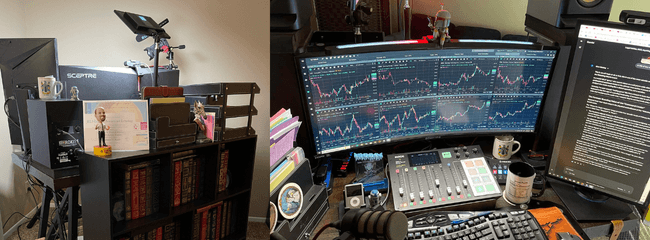
This is where the experiments are run. 35” curved next to a 27” vertical. I sometimes split the big screen into two windows. RodeCaster Pro with a Rode PodMic. I occasionally mount my Canon EOS 50 with the big lens, but even with another Rode shotgun mic, its mostly benched because two Logitech cams just work great! KRK Rokit 5's on 20” stands producing smooth sound that can rock the house on command. And yes, that’s a signed Indiana Jones world map on the wall. You can't really see it using this new image, but George Lucas made a fan out of me early. - That is actually my old desk setup. My new desk, in the video, is much wider and spread out. But this image shows the tech well, so I keep it.
At home HQ: my wife saw a huge productivity boost once she got 2 monitors setup. And my black lab, thinks she's Head of Security. She terrifies every delivery driver like it's her job. She takes her work very seriously.
If you made it this far, you’re my kind of person. Kick around the site, then tell me what you think. I don’t post often—but when I do, it’s worth your time.
The Bottom Line
I’m far from perfect. I was the guy taking the call in the middle of the night when an executive couldn't connect. I didn't pause and force him to go to the Help Desk first. I didn't make him wait and create a ticket to document my work. I just immediately helped him and didn't worry about having proof of my work or value.
If you’re tired of being a number in a "too big to care" system, you’re in the right place. Whether you are fighting a legal battle, trying to build wealth that the market can't steal, or just trying to be a better leader for your family, the answer is the same: Audit the process. I’ve lived this. I’ve done the work. The truth is waiting for you in the data.
Current Geek Projects
My next DIY project is for my home lab/test network... I'll build at least one or more Raspberry Pi 5's. I'll tighten the security at home with a new router and a few toys, then create a nice Pi with another dedicated monitor for monitoring, detecting and terminating rogue devices that try to get on my network. I'll go far beyond adding MACs/IPs to my log files, right? - That's really just the beginning though. - Like pocket size fun for geeks.
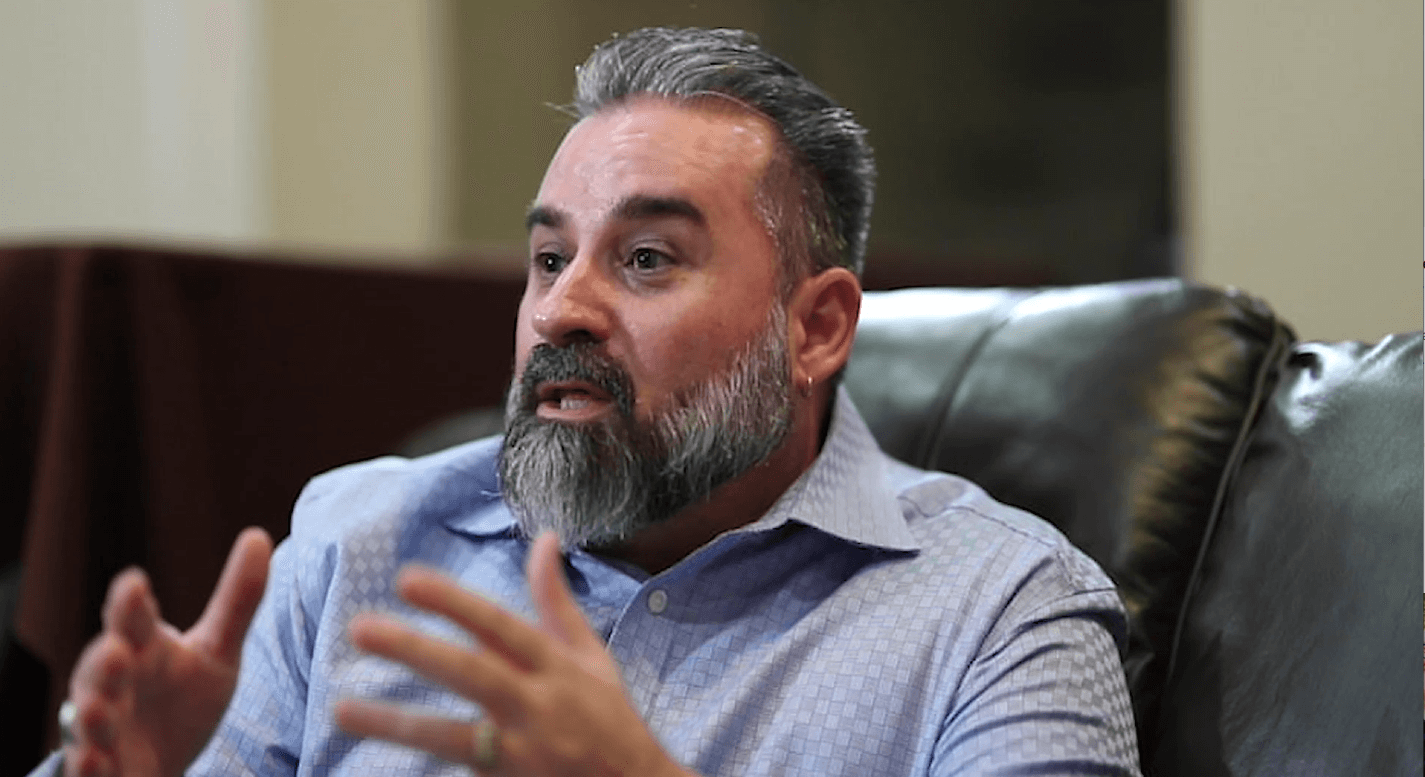
Chris Daniel
With a Network Administration background, this former Insurance Claims Adjuster has a knack for investigations mixed with a touch of dark and self deprecating humor. Today, as a Digital Asset Architect & Systems Investigator, Chris shares insights on social media strategies, algorithmic auditing, and insurance claims, blending technical know-how with real-world experience. Learn more about Chris and his projects on the About page.
Food For Thought
The best thing I ever did was start trading stocks at my desk over my lunch hour. The second best thing was to sell my stocks to buy investment education & training. Third best thing was to show some kindness and buy millionaires lunch or dinner one-on-one. After doing that and breaking bread with over 6 millionaires I started collecting quotes from them and others. So I've got a little "Food for Thought" at the bottom of all my pages now. They're all different. Enjoy.
“Most middle-class Americans tend to worship their work, to work at their play, and to play at their worship. As a result, their meanings and values are distorted. Their relationships disintegrate faster than they can keep them in repair, and their lifestyles resemble a cast of characters in search of a plot.”
- Gordon Dahl
This quote challenges me to keep my priorities straight and live with purpose. While I never met him, this is one of the few that seemed appropriate for the home page.
All Rights Reserved.